
As the world of sports continues to evolve at a rapid pace, the intersection of technology, culture, and fan engagement plays a critical role in shaping its current landscape. From the rise of new sports leagues to the influence of social media, understanding these dynamics has never been more important. This article dives into the latest trends that are redefining how sports are consumed and understood today.
Understanding The Current Sports Landscape
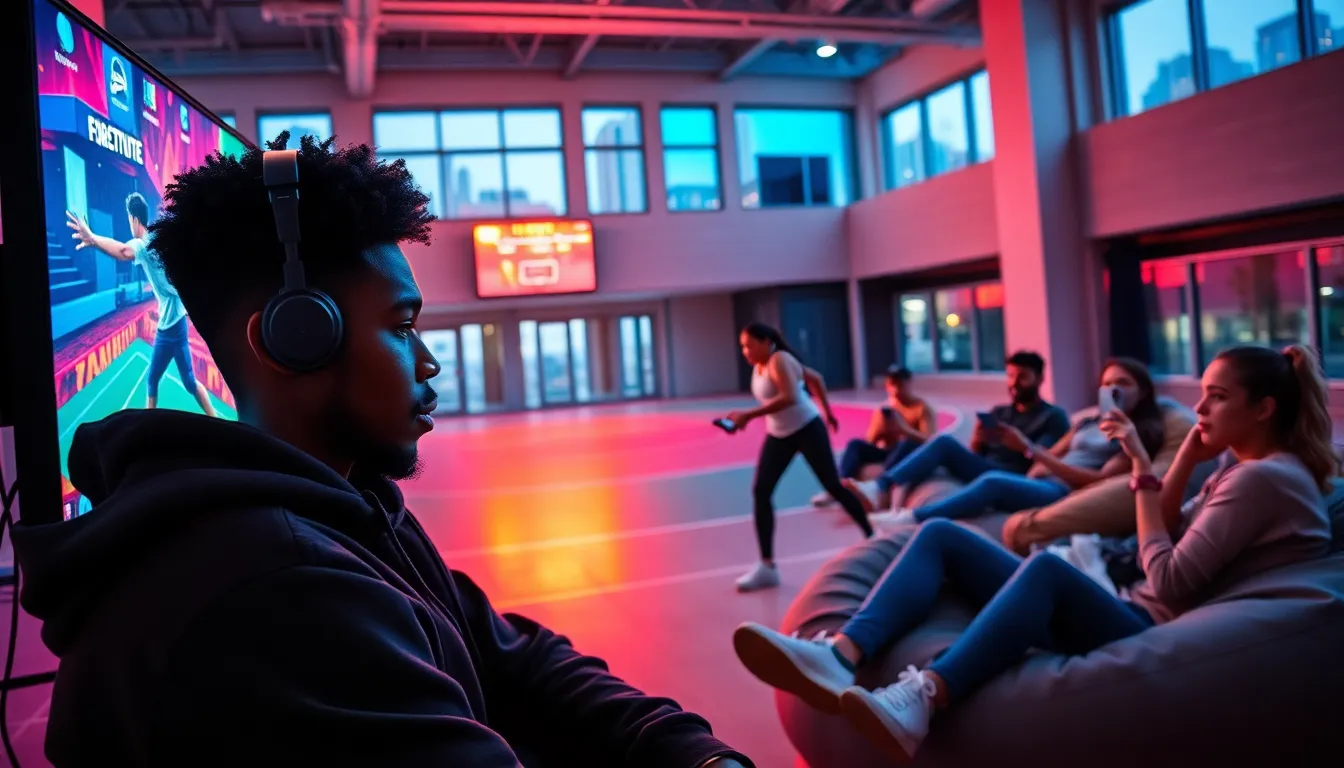
The current sports landscape is a vibrant and complex ecosystem characterized by shifting interests and diverse audiences. In recent years, traditional sports leagues have been challenged by the emergence of alternative forms of entertainment. For instance, esports has surged in popularity, drawing younger fans who prefer digital competition over conventional athletic events.
Also, the impact of global events, like the COVID-19 pandemic, has dramatically altered how sports are viewed and played. Lockdowns and health concerns shifted many fans toward virtual engagements, sparking a renewed interest in home-viewing experiences and live-streaming services. This transition underscores the necessity for leagues and teams to adapt quickly.
A significant trend observed is the growth of niche sports that cater to specific demographics, driven by social movements and greater inclusivity in previously underrepresented sports. Understanding these shifts is vital for industry stakeholders to remain relevant and competitive.
The Role Of Technology In Sports
Technology serves as the backbone of modern sports, influencing everything from performance analytics to fan experiences. Athletes now capitalize on wearable technology, such as fitness trackers and smart clothing, to monitor their performance in real-time, enhancing training methodologies and injury prevention strategies.
Besides, broadcasting technology has transformed how fans engage with sports. High-definition broadcasts, augmented reality (AR), and virtual reality (VR) elevate the viewer experience, making them feel part of the action. Innovations like 360-degree replays and immersive VR environments allow fans to experience matches as if they were in the stadium, regardless of their physical location.
Also, data analytics play a crucial role in decision-making for coaches and sports managers. Advanced algorithms can now predict player performance based on historical data, which helps in recruitment and tactical planning. As leagues continue to embrace these technologies, their implementation will only grow deeper, further intertwining sports with the digital age.
Cultural Influences On Sports Trends
Cultural influences significantly impact sports trends, creating a unique fabric that reflects societal values and interests. For example, the growing emphasis on health and fitness has popularized sports like yoga and CrossFit, which emphasize wellness plus to competition.
Besides, societal movements, such as those advocating for racial and gender equality, have sparked changes within traditional sports organizations. Athletes like Colin Kaepernick and Serena Williams have used their platforms to address social injustices, making activism a defining characteristic of contemporary sports culture.
Cultural diversity shapes not only who participates in sports but also who watches. The integration of global sports, such as rugby and cricket, into American culture has broadened the appeal of these games. The World Cup and similar international events showcase this phenomenon, as they highlight cultural intersections that resonate with a global audience.
Fan Engagement: Bridging The Gap
Fan engagement has transformed dramatically, driven primarily by the rise of digital platforms. The ways fans connect with their favorite teams and athletes are evolving, thanks to social media and fan-centric technologies.
The Impact Of Social Media On Sports
Social media platforms like Twitter, Instagram, and TikTok are not just avenues for information: they serve as vital tools for building community and engagement. Teams and athletes use these platforms to provide behind-the-scenes content, interact with fans directly, and share insights that deepen the fan experience. This interactivity creates a sense of belonging and loyalty among fans who feel more connected than ever.
Also, live-tweeting during games, Instagram stories, and TikTok challenges add layers of engagement that traditional media cannot match. The immediacy of feedback allows teams to gauge fan sentiments and adapt accordingly, making marketing efforts more effective than ever. As this trend continues, the lines between fans and athletes blur, making engagement more personal and powerful.
Emerging Sports And Their Popularity
Emerging sports are capturing the attention of audiences worldwide, driven by innovation and a changing cultural landscape. Sports such as skateboarding, pickleball, and esports are gaining significant traction, appealing especially to younger generations seeking alternatives to traditional sports.
The rise of these sports is not merely a fad: they reflect shifts in lifestyle and community. For instance, skateboarding’s inclusion in the Olympics has legitimized it as a competitive sport, raising its profile among more conventional sports fans. Pickleball, with its accessibility and social nature, attracts players of all ages seeking fun and fitness in social environments.
Esports, in particular, has exploded in popularity, with competitive gaming drawing huge audiences and sponsorship deals rivaling traditional sports. These trends demonstrate that sports consumption is diversifying, as new players and formats emerge, catering to an ever-more fragmented audience.
Conclusion
The intersection of technology, culture, and fan engagement is fundamentally reshaping the sports landscape. As traditional sports compete with emerging alternatives, and as technology redefines viewer experiences, the importance of understanding these dynamics has never been greater.
Athletes, teams, and organizations that can navigate this evolving environment stand to gain not only financially but also through heightened relevance in a crowded market. By embracing technological advancements, recognizing cultural shifts, and prioritizing fan engagement, the future of sports looks promising and full of opportunities.