
In a world dominated by gadgets that seemingly have minds of their own, consumer electronics manufacturers stand as the unsung heroes of our tech-savvy lives. These companies are not just assembling devices: they’re crafting the future, one smartphone, laptop, and smart home device at a time. Ever wonder how that sleek smartphone in your hand got there? Or why your smart fridge can now tell you what’s for dinner? Stick around as we jump into the fascinating realm of consumer electronics, where innovation meets demand, and every click and swipe tells a story.
Overview of the Consumer Electronics Industry
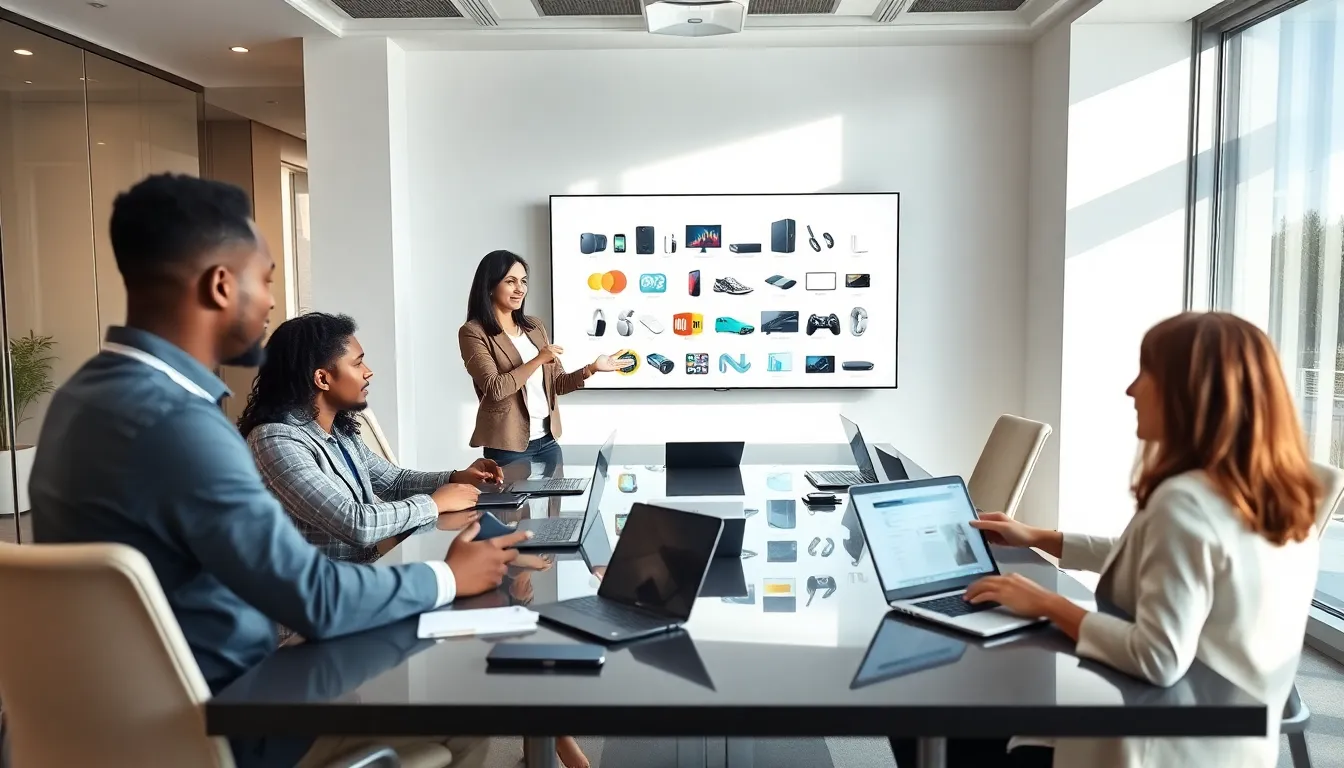
The consumer electronics industry is a sprawling ecosystem, filled with products designed to make life easier, more enjoyable, and often a bit more connected. From televisions and audio systems to smart home devices and wearable technology, this sector is continually evolving. It contributed over $400 billion to the U.S. economy alone in recent years and showcases how intertwined electronics have become with everyday living. Consumers today are not merely passive users: they are active participants in a rapidly changing technological landscape, and this is driving manufacturers to prioritize innovation at every turn.
Also, the industry isn’t just about fulfilling consumer wants: it’s also responding to emerging needs, think of the growing demand for home entertainment as remote work becomes the norm. With a constant influx of new technologies, consumer expectations are higher than ever, putting pressure on manufacturers to keep pace.
Major Players in the Market
When discussing major players in the consumer electronics market, a few names inevitably come to mind. Companies like Apple, Samsung, and Sony are at the forefront, setting trends and raising the bar for what consumers expect.
Apple, with its ecosystem of products integrated seamlessly, has established a loyal following. Their iPhones, iPads, and Macs offer a level of user experience and design that resonates widely. Meanwhile, Samsung is known for its innovation across multiple categories, from smartphones to smart appliances, showcasing versatility in the electronics space. Sony continues to impress with its high-quality audio and visual technology, especially in gaming and entertainment, appealing to a diverse audience.
Don’t overlook newer competitors either. Brands like Xiaomi and OnePlus are taking the market by storm, particularly in emerging countries, thanks to their aggressive pricing and feature-rich offerings. Each of these companies plays a unique role in shaping market dynamics, influencing trends, and driving consumer preferences.
Emerging Trends in Consumer Electronics
The consumer electronics landscape is marked by rapid technological advancements. A few trends are redefining the market:
- Smart Home Technology: Devices that automate everyday tasks are gaining traction. Smart speakers, security systems, and connected appliances are no longer futuristic but essential parts of modern living.
- Wearable Tech: Fitness trackers and smartwatches continue to rise, combining functionality with fashion. They are becoming essential for health-conscious consumers.
- Sustainability: Eco-friendly products are no longer just a niche market. Manufacturers are increasingly adopting sustainable practices in design and production, responding to rising consumer demand for environmental responsibility.
- AI Integration: Artificial intelligence is embedded everywhere, from voice recognition in smartphones to personalized experiences in smart TVs. AI is enhancing how users interact with their devices.
These trends illustrate a broader shift toward connectivity and convenience, driving manufacturers to innovate and adapt constantly.
The Role of Innovation in Product Development
Innovation is the backbone of the consumer electronics industry. As technology evolves, so too do consumer expectations, creating a relentless push for manufacturers to innovate continuously. Companies invest heavily in research and development to create groundbreaking products. Take smartphones, for instance. From foldable displays to advanced camera systems, each new model aims to surpass its predecessor.
Also, the integration of software and hardware has blurred the lines of product capabilities. Devices are no longer standalone: they work synergistically, enhancing user experience. Besides that, customer feedback loops now play a vital role in guiding product design. Manufacturers are actively engaging with consumers to drive innovation tailored to actual needs, leading to better, more user-friendly products.
Challenges Facing Manufacturers Today
Even though the innovations, the consumer electronics sector faces numerous challenges. One significant hurdle is supply chain disruptions. Events like the pandemic have shown how fragile these networks can be, causing delays and increasing costs.
Also, manufacturers also contend with fierce competition, not just from established companies but also from startups disrupting traditional business models. Rapid technological advancements mean products can become obsolete in a matter of months. On top of that, cybersecurity risks are more prominent than ever. As devices become smarter, the potential for security breaches increases, eventually affecting consumer trust. These factors compel manufacturers to strategize more effectively and invest in robust security measures.
Sustainability in Consumer Electronics Manufacturing
Sustainability is rising in the consumer electronics discussion. Modern consumers are looking for products made with environmentally friendly practices. This demand has driven manufacturers to rethink their strategies, focusing on reducing waste and using recyclable materials in their products.
Companies are now increasing their investment in sustainable manufacturing techniques. Brands like Apple are leading the way by aiming for carbon neutrality by 2030 and committing to responsible sourcing of materials. This shift is not just beneficial for the planet but also enhances brand loyalty as consumers increasingly prefer organizations that prioritize sustainability. Manufacturers face a dual challenge: innovating while being environmentally responsible, yet many rise to meet this challenge head-on.
Future Outlook for Consumer Electronics Manufacturers
Looking ahead, the consumer electronics industry appears poised for dramatic growth. The integration of emerging technologies such as virtual reality, augmented reality, and 5G will revolutionize user experiences, making devices smarter and more interconnected.
Also, the consumer demand for customization will likely shape product development strategies. Consumers increasingly want devices that reflect their preferences and lifestyles. To remain competitive, manufacturers will have to adapt quickly to market changes and invest in scalable production systems. The future is full of possibilities, but those who can pivot and innovate will thrive in their ever-evolving landscape.