
Have you ever noticed how much a catchy jingle can linger in your mind long after the commercial has ended? Welcome to the vibrant world of consumer electronics advertising, where phones and gadgets aren’t just tools anymore, they’re cherished companions. Through humor, innovation, and a sprinkle of creativity, advertisers strive to capture our attention and our wallets. After all, if people are lined up for the latest gadget, why not make them smile while they’re at it? In this text, we’ll dive deep into the evolution of advertising in this dynamic sector, explore modern strategies that shape today’s campaigns, and peek into what the future might hold for consumer electronics. Buckle up.
The Evolution of Consumer Electronics Advertising
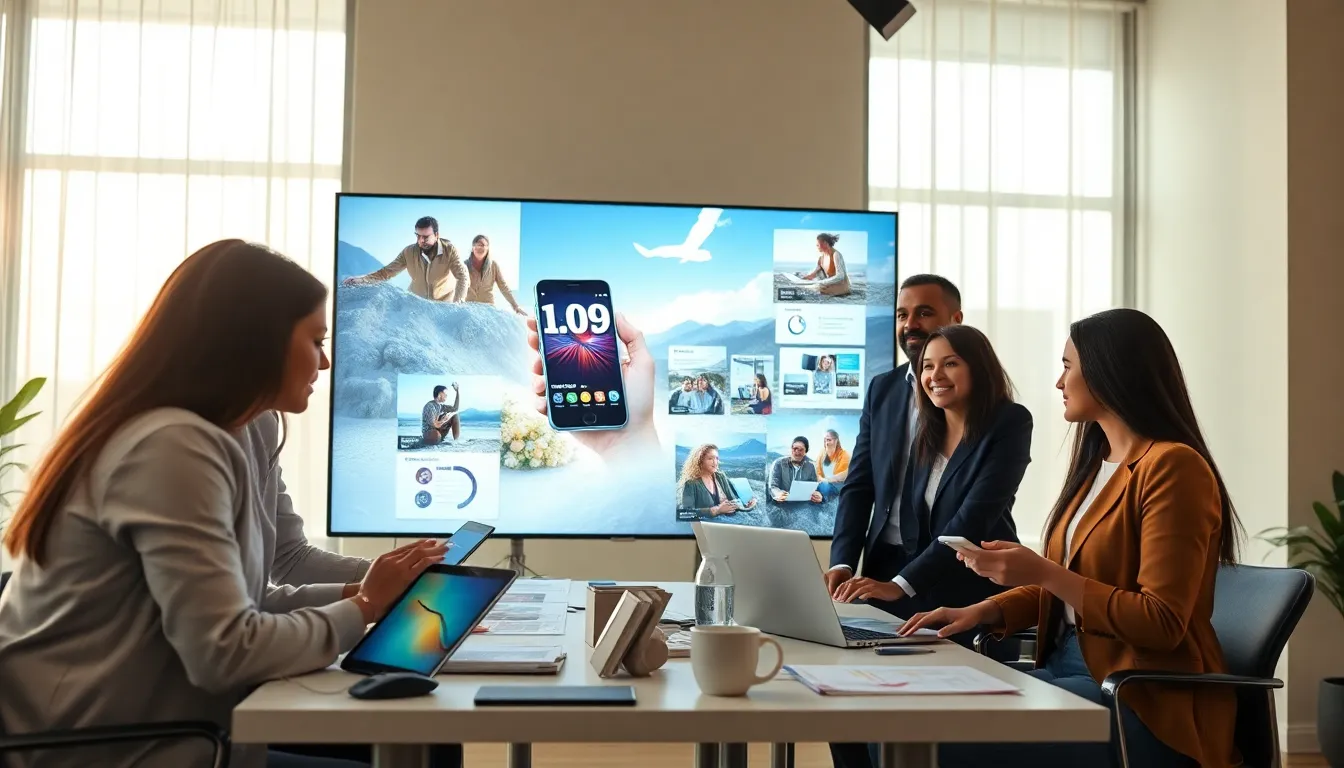
Consumer electronics advertising has come a long way since its inception. In the early days, ads were straightforward, focusing primarily on functionality and price. Remember those clunky television commercials that showcased the latest VCR? They were all about the number of buttons and the ability to record. Fast forward to the digital age, and we’ve entered a realm where features are no longer the star of the show.
Today, advertising tells stories that resonate with consumers on a deeper level. Ads are not just about what a product does, but about how it makes life easier, more enjoyable, or simply more interesting. Brands like Apple and Samsung have become experts in this genre, offering campaigns that celebrate innovation and lifestyle. Through powerful narratives, they create a sense of community and connection, something that goes beyond mere product promotion.
Trends Shaping Modern Advertising Strategies
Several trends are currently reshaping consumer electronics advertising.
1. Influencer Marketing: Social media influencers wield significant power in today’s advertising landscape. Brands collaborate with influencers to reach younger demographics through relatable content. When she’s holding a new smartphone while chatting about her daily life, it feels less like an ad and more like a conversation with a friend.
2. Sustainability and Ethics: Consumers are increasingly conscious about provenance. Companies that highlight their sustainable practices not only gain trust but also carve a niche for themselves. In an age where eco-friendliness reigns supreme, advertising that addresses ethical considerations can greatly enhance a brand’s image.
3. Interactive Content: Gamification and immersive experiences are rising stars. Utilizing augmented reality features, consumers can virtually ‘try’ new products before making a purchase. It’s much more engaging than just viewing an ad on a screen.
These trends emphasize the importance of making advertising more engaging and less about direct selling.
Key Channels for Consumer Electronics Advertising
To effectively reach consumers in today’s fast-paced world, brands are diversifying their advertising channels. Here’s a look at a few key ones:
The Role of Technology in Advertising
Automation and AI have transformed how ads are targeted. By using rich data analytics, companies can identify who their ideal customers are and serve them personalized ads. You may have noticed how often ads seem to know exactly what you need, spooky, but effective.
Targeting and Personalization Strategies
Personalized marketing strategies are crucial for cutting through the noise. Instead of a one-size-fits-all approach, tailoring ads to fit specific demographics, interests, and behaviors leads to significantly higher engagement rates. Companies like Amazon excel at this, making recommendations based on past purchases, turning potential customers into buyers.
Creative Approaches in Advertising Campaigns
Creativity is the lifeblood of successful advertising. Companies integrate humor, emotion, and stunning visuals to fabricate campaigns that catch eyes and linger in minds.
Storytelling: Brands are increasingly leaning into narratives that evoke emotional responses. For instance, a campaign featuring families enjoying a movie night with the latest smart TV can stir nostalgia and promote brand loyalty.
User-Generated Content: Encouraging users to share their own experiences can significantly boost a brand’s credibility. When a customer posts a video unboxing their new tablet, it resonates with potential buyers far more than a scripted commercial.
Viral Challenges: Creating fun challenges that encourage participation can lead to an exponential love for a brand. Look at how many devices were purchased merely because they were featured in trending challenges across social media platforms.
Measuring Advertising Effectiveness
In an age driven by data, assessing the effectiveness of advertising strategies is crucial. Companies employ numerous metrics to gauge ROI.
Engagement Metrics: Likes, shares, comments, these numbers offer insight into how well an ad is performing with an audience. High engagement often indicates strong relatability and relevance.
Conversion Rates: After all the hard work, was the ad successful in swaying consumers toward making a purchase? Tracking conversion rates will help brands understand if their strategy needs fine-tuning or if they hit the jackpot.
Brand Awareness Studies: Surveys and studies pre- and post-campaign can paint a clearer picture of brand perception, helping in strategizing future promotions. In essence, what gets measured gets improved.
Future of Consumer Electronics Advertising
What lies ahead for consumer electronics advertising? Although predicting the future is inherently unpredictable, some trends seem poised to grow.
Augmented and Virtual Reality: Imagine being able to visualize a new gadget in your living room before it arrives. This technology promises to revolutionize consumer experiences and advertising delivery.
AI-Powered Personalization: As data becomes even more robust, AI will take personalization to new heights, creating ads tailored to individual preferences almost instantaneously.
Sustainability Focus: With increasing consumer demand for ethical practices, environmentally friendly messaging will likely dominate campaigns, aligning with the growing consciousness among buyers.